NECKLACE DISPLAY CARDS SVG CUT FILES Review
As a designer who has spent years navigating the intricate world of machine embroidery, I often find myself evaluating digital assets not just for their aesthetic appeal, but for their functional viability in a real production environment. Recently, I took a closer look at the NECKLACE DISPLAY CARDS SVG CUT FILES. On the surface, this product falls under the broad umbrella of Crafts and Graphics, specifically targeting jewelry makers and crafters. However, my goal was to determine if these files could transcend their primary use case as physical display tools and serve as viable design assets for embroidery projects, custom apparel, or boutique branding.
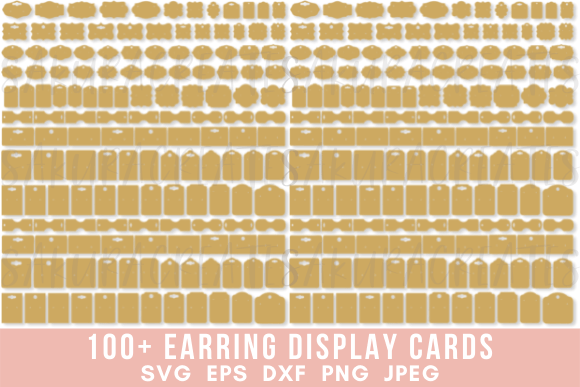
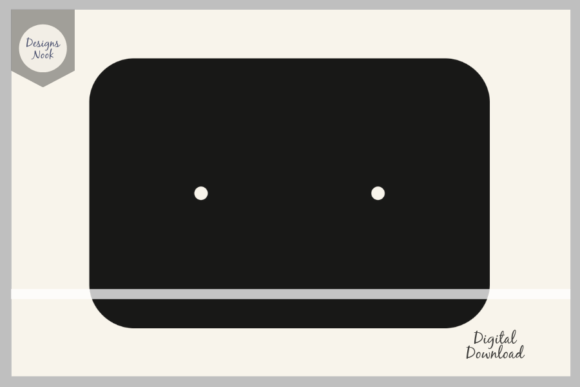
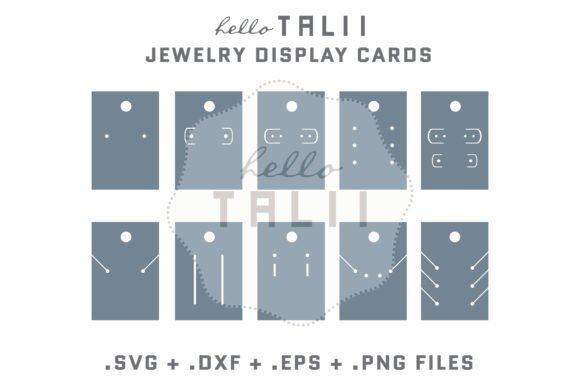
The first impression of NECKLACE DISPLAY CARDS SVG CUT FILES is one of utility mixed with clean geometry. The concept of 3x4 inch cards designed for necklaces, earrings, and hair clips suggests a compact, focused layout. In the context of an embroidery file, this scale is critical. It immediately signals that this design is intended for smaller applications where detail matters more than grandeur. When I opened the vector files, including the SVG, PNG, DXF, and EPS formats mentioned in the description, the lines appeared crisp and well-defined. This is exactly what you want when preparing a machine embroidery design that needs to translate cleanly from screen to fabric.
Imagine a scenario: You are an Etsy seller preparing a holiday collection. You have created a line of handmade aprons and kitchen towels, but you also want to offer a complementary set of personalized gift tags or small embroidered patches. This is where NECKLACE DISPLAY CARDS SVG CUT FILES becomes interesting. While the product description explicitly markets these as die-cut files for Silhouette machines, the vector nature of the SVG and DXF files opens the door for creative repurposing. Could these card shapes serve as the foundation for a custom label on a tote bag? Or perhaps a decorative patch on a denim jacket? The potential is there, provided the stitch density and detail level align with the fabric texture.
When evaluating how NECKLACE DISPLAY CARDS SVG CUT FILES performs in real-life embroidery situations, the key factor is the complexity of the shape. Jewelry display cards often feature delicate curves and potentially small text areas to accommodate brand names or item descriptions. If we were to adapt this into a tote bag design, the outcome would depend heavily on the chosen thread colors and the type of stabilizer used. For a sturdy canvas tote, the design would likely hold up well, offering a professional finish that elevates the perceived value of the finished product. However, if applied to a stretchy sweatshirt material without proper stabilization, those same clean lines could pucker, ruining the visual integrity of the piece.
I also considered the application for baby items and nursery decor. A soft, embroidered version of these card motifs could be perfect for a baby blanket border or a bib. The 3x4 inch size is ideal for personalization, allowing space for a child's name or a sweet message alongside the graphic element. In this context, the embroidery project would rely on high-quality threads to ensure the design feels luxurious rather than cheap. The visual appeal of the final product hinges on the contrast between the thread and the fabric. Light fabrics might require a darker thread for visibility, while dark fabrics would need a bright or metallic option to make the design pop.
However, not every application is suitable. There are specific scenarios where NECKLACE DISPLAY CARDS SVG CUT FILES should be used with caution. Small hoop sizes can sometimes struggle with designs that have intricate corners or fine details. If the original vector includes tiny lettering or very thin lines, attempting to stitch them out on a curved surface like a cap or hat could result in lost definition. The curvature of a cap changes the tension of the stitches, and dense fill stitches might not lay flat against the rounded form. Similarly, textured fabrics like bouclé or heavy corduroy can obscure the finer points of the design, making it difficult for the customer to appreciate the craftsmanship.
Another critical consideration is the durability of the finished product. If this design is intended for commercial embroidery on items that will undergo frequent washing, such as work aprons or uniforms, the stitch density must be sufficient to prevent fraying. The description mentions these are die-cut files for cutting machines, which implies they are optimized for vinyl or cardstock rather than dense stitching. Before committing to a large batch of custom apparel, it is essential to test the design on scrap fabric first. This allows you to inspect small details and confirm whether the satin stitch or running stitch options (depending on your digitizing choices) will hold up over time.
For the creative entrepreneur looking to expand their product line, understanding the limitations and strengths of NECKLACE DISPLAY CARDS SVG CUT FILES is vital. These files can serve as excellent base layers for creating branded merchandise. Think about using the card outline as a guide for applique work, where a contrasting fabric is stitched down within the boundaries of the design. This technique adds depth and texture, transforming a simple 2D vector into a tactile handmade product that customers love to touch. It creates a sense of authenticity and care that mass-produced goods simply cannot replicate.
From a business perspective, the versatility of these graphics can enhance brand consistency across various platforms. Whether you are creating printable mockups for your online store or producing physical samples for craft fairs, having a cohesive design language is crucial. If your brand identity revolves around jewelry or accessories, incorporating elements of the display card into your packaging or promotional materials reinforces your niche. The finished product tells a story, and a well-executed embroidery design contributes significantly to that narrative.
To ensure success with NECKLACE DISPLAY CARDS SVG CUT FILES, I recommend following a few practical steps before launching into production. First, review the stitch density carefully. If the file is being converted for embroidery, ensure that the density is appropriate for the fabric weight; too much density can cause puckering, while too little can leave gaps. Second, check thread color contrast. A design that looks great on a computer screen might disappear on a light-colored fabric if the thread shade is too similar. Third, confirm the licensing terms. Since these are digital assets, verify whether you are allowed to sell finished items made from the design, especially if you plan to use them for commercial purposes.
In conclusion, while NECKLACE DISPLAY CARDS SVG CUT FILES is primarily marketed as a tool for crafting physical jewelry displays, its vector format offers significant potential for embroidery designers and small business owners. With careful planning regarding fabric choice, stabilization, and thread selection, these designs can be adapted into beautiful, functional pieces ranging from personalized gifts to boutique branding elements. The key lies in treating the file not just as a static image, but as a dynamic component of a larger creative process. By testing thoroughly and respecting the technical constraints of embroidery, you can transform a simple cut file into a standout feature of your next craft business venture.