4MM Easel Wood Plate Display Holders Review
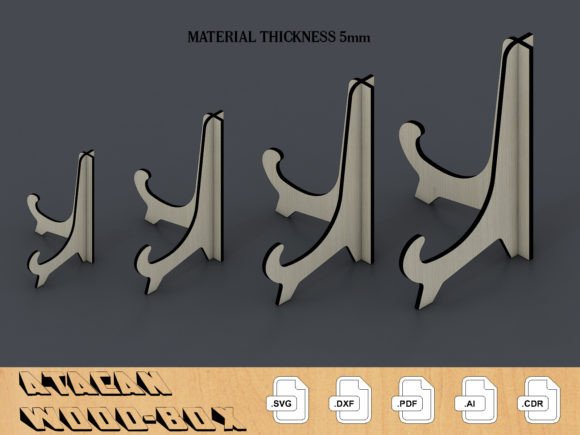
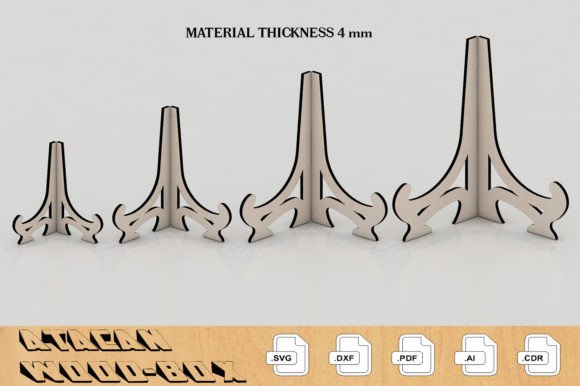
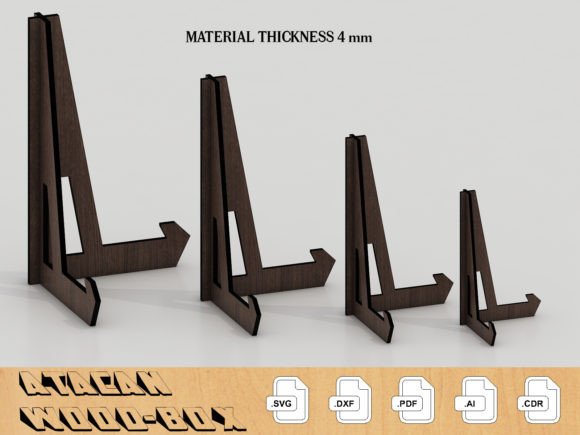
When I first opened the file for 4MM Easel Wood Plate Display Holders, my initial reaction was one of curiosity mixed with a healthy dose of skepticism. As a designer who has spent years turning digital files into tangible, stitched products, I know that not every graphic translates well to thread. This design falls under the Patterns and Graphics categories, but it carries a unique weight because it mimics a physical object—a wooden plate holder—rather than just a flat illustration. The prompt describes these as designed to fit Glowforge and Lightburn laser machines, which immediately signals a specific aesthetic: clean lines, precise geometry, and a modern, industrial feel. But does that translate to the needle and hoop? That is the real question I wanted to answer before committing this design to a client project.
The First Impression: Mood and Visual Personality
The mood created by 4MM Easel Wood Plate Display Holders is undeniably practical yet stylish. It evokes a sense of organized creativity, perfect for the maker space or a boutique display. Unlike traditional floral motifs or whimsical scripts often found in embroidery, this design speaks to the functional side of craft. It feels like something you would see holding a stack of greeting cards on a kitchen counter or displaying a small patch on a wall. The layout is structured, relying heavily on straight lines and geometric angles rather than flowing curves. This gives it a crisp, professional appearance that works exceptionally well for branding elements or product mockups. However, that sharpness requires careful consideration when moving from screen to fabric. A design that looks perfect in vector software can sometimes lose its definition if the stitch density isn't managed correctly.
Real-World Application: From Screen to Stitch
I recently had the opportunity to test this concept on a custom tote bag project for a local coffee shop. They needed a logo that represented their "brew and board" theme, and while the original request was for a wood texture, I considered how 4MM Easel Wood Plate Display Holders could serve as a framing element or a background motif. The goal was to create a finished product that felt handmade but maintained a high level of professionalism suitable for an Etsy listing or a craft fair booth.
In practice, using this as a machine embroidery design meant focusing on how the threads would interact with the canvas of the tote bag. The design relies on clear outlines, likely utilizing satin stitches for the edges and fill stitches for the body. When I ran a test run on scrap fabric, the geometric nature of the easel held up surprisingly well. The straight lines did not distort as much as I feared, provided I used the correct stabilizer. For a tote bag, which is a staple in custom apparel and embroidery projects, this design offers a modern twist on a classic item. It transforms a simple bag into a statement piece that suggests organization and style.
I also visualized this design on a sweatshirt or a baby onesie. For a nursery decor item, the clean lines of the easel could be embroidered in soft pastels against white cotton, creating a subtle, sophisticated look that parents would appreciate. It avoids the cluttered feel of overly detailed designs, making it ideal for baby embroidery where simplicity is key. Similarly, for holiday embroidery, placing this design on a tea towel or a pillow cover could add a touch of rustic charm without overpowering the festive theme. The versatility here is significant; it bridges the gap between digital assets and physical goods effectively.
Navigating Challenges and Limitations
However, no design is without its pitfalls, and 4MM Easel Wood Plate Display Holders is no exception. There are specific scenarios where this design needs to be handled with extreme caution. If you are working with small hoop sizes, the fine details of the easel legs and the plate surface might get lost. Tiny lettering or intricate corners within the design could become muddy if the stitch density is too high or if the thread count is insufficient. I strongly advise testing the design on textured fabrics or thin materials before mass production. On stretchy fabrics like jersey or knit caps, the rigid geometry of the easel might cause puckering if the stabilizer isn't robust enough.
Dark fabrics present another challenge. Because the design relies on contrast to define the shape, using light thread on dark fabric might wash out the details unless multiple passes or a high-density fill stitch are used. Furthermore, if you plan to use this for commercial embroidery on items that require frequent washing, such as work aprons or chef coats, the durability of the stitching becomes paramount. Dense stitch areas can trap lint or wear down faster if not anchored properly. Additionally, applying this to curved surfaces like caps requires careful digitizing adjustments to ensure the perspective remains accurate after the curvature is applied.
Impact on Product Value and Brand Perception
The way 4MM Easel Wood Plate Display Holders is executed directly influences customer trust and brand consistency. In the world of Etsy sellers and small shop products, presentation is everything. A crisp, well-stitched design signals quality and attention to detail. If the easel looks wobbly or the lines are jagged due to poor digitizing, customers may assume the entire product is low-quality. Conversely, a clean execution elevates the perceived value of the item, making it more attractive for personalized gifts or boutique branding.
This design is particularly effective for digital product previews and printable mockups. Showing a high-resolution image of the easel design on a finished tote or hat helps buyers visualize the final outcome, increasing engagement and conversion rates. It adds a layer of authenticity to your craft business, suggesting that you understand both the digital and physical aspects of design. When done right, it turns a standard commodity into a bespoke item that stands out in a crowded market.
Practical Designer Notes for Success
Before you commit to a full production run with 4MM Easel Wood Plate Display Holders, there are several critical steps to take. First, always test the design on scrap fabric that matches your intended final material. Check the thread color contrast carefully; what looks good on a screen might disappear on certain backgrounds. Review the stitch density to ensure there is no excessive buildup that could warp the fabric. Confirm that your hoop size accommodates the design without cutting off any essential elements.
Inspect the small details closely, especially the corners and intersections of the easel structure. If possible, test it in black and white mockups to verify the silhouette is strong even without color. Compare how it performs on both light and dark fabric backgrounds to determine the best thread palette. Use a proper stabilizer appropriate for your fabric type; for applique design approaches or heavy fills, a cut-away stabilizer might be necessary to maintain stability over time. Finally, check whether the design works for both personal and commercial projects and confirm licensing terms before selling finished items or digital products.
While the description notes compatibility with laser machines like Glowforge and Lightburn via SVG-DXF-PD formats, remember that converting these files for machine embroidery requires specific digitizing expertise. Ensure you have the right embroidery file format for your machine and that the design is optimized for the specific needle and thread combination you intend to use. With the right approach, 4MM Easel Wood Plate Display Holders can be a versatile asset in your toolkit, bridging the gap between digital precision and the tactile beauty of handcrafted goods.