Aborigin Gold Shield Embroidery Review
As a designer who spends more time than I care to admit staring at stitch density charts and testing thread tension, I don’t just look at the final image when evaluating an Aborigin Gold Shield. I look at how it translates. The original asset is described as a transparent background watercolor clipart, which immediately raises questions about its viability for machine work. Watercolor styles are notoriously tricky in embroidery because they rely on soft gradients and organic bleeding that digital stitches often struggle to replicate without looking muddy or overly dense.
I recently took this design through its paces with a specific goal in mind: creating a premium line of boutique merchandise for a small craft business. The premise was simple—use the Aborigin Gold Shield as the centerpiece for a series of personalized gifts and custom apparel. Below is my honest breakdown of how this graphic holds up under the needle, where it shines, and where it might cause headaches for fellow makers.
First Impressions and Visual Personality
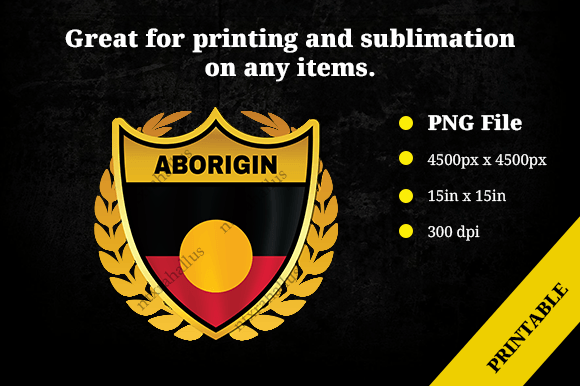
The moment you load the file, the bright, shield-shaped motif stands out. It carries a sense of heritage and strength, likely drawing from indigenous artistic influences given the name. The gold tones suggest warmth and value, while the shield shape offers a strong, symmetrical anchor point for any composition. In the world of Crafts and Graphics, this falls squarely into the realm of bold statement pieces.
Visually, it creates a mood that is both protective and celebratory. It feels like a design that belongs on something substantial. It isn’t delicate lacework; it’s meant to be seen. This makes it an excellent candidate for items where durability and visual impact are prioritized over subtlety. For an Etsy seller or small shop product creator, this kind of strong branding can help a listing stand out in a crowded feed. The symmetry suggests it will work beautifully centered on garments or bags, providing a balanced look that appeals to a broad audience.
Real-World Application: The Tote Bag Test
To test the practical limits of the Aborigin Gold Shield, I decided to apply it to a canvas tote bag project. This is a common request for custom apparel decorators and handmade product creators. The idea was to create a reusable bag that doubled as a brand ambassador for a local artisan market.
When digitizing or preparing this machine embroidery design, the first challenge was the "watercolor" aspect. Since machine embroidery cannot truly do watercolor washes, the design had to be interpreted. I opted for a heavy use of fill stitch to capture the solid areas of gold, ensuring opacity. The result was striking. On natural-colored canvas, the gold threads popped with a richness that felt luxurious. The shield shape provided enough surface area for the eye to rest, making the bag feel complete rather than cluttered.
However, the texture of the fabric played a huge role. Canvas is stable and sturdy, which allowed the stitch density to sit flat. If I had attempted this on a thin linen or a stretchy jersey knit without proper support, the fabric would have puckered significantly around the dense gold sections. This highlights why choosing the right base material is just as important as choosing the right embroidery file.
Performance Across Different Products
While the tote bag was a success, I wanted to see how the Aborigin Gold Shield would translate to other popular categories. Here is how it performed in various scenarios:
- Sweatshirt Embroidery: The shield design works exceptionally well on crewneck sweatshirts. The structure of the chest pocket area or the left breast provides a perfect frame. It adds a touch of sophistication to casual wear, making it suitable for personalized gift orders during the holiday season.
- Baby Embroidery: Surprisingly, this design has potential for nursery decor or baby blankets. While shields can feel masculine, the soft watercolor-inspired palette (if rendered in pastel golds) could work for gender-neutral nursery themes. However, on tiny onesies, the detail might get lost unless scaled up appropriately.
- Embroidered Patch: Because the design has a clear outline and distinct shape, it lends itself well to being converted into an embroidered patch. Using a satin stitch border around the shield would give it a finished, professional look, allowing customers to iron or sew it onto jackets, caps, or denim vests.
- Kitchen Towels and Aprons: For the craft business owner targeting home goods, placing the shield on a flour sack towel or a chef’s apron adds a rustic charm. It elevates a basic utility item into a decorative piece.
Where Caution Is Required
No design is perfect, and the Aborigin Gold Shield has specific limitations that designers must respect. Ignoring these can lead to frustrated customers and ruined materials.
Small Hoop Sizes: If you attempt to digitize this for a very small hoop (under 4x4 inches), you risk losing the integrity of the watercolor details. Tiny dots and subtle lines may merge into a blob. It is best suited for medium to large placements where the viewer can appreciate the nuance.
Dark Fabrics: The description notes the design is bright and gold. On dark fabrics, standard gold threads can sometimes appear dull or brownish depending on the lighting. You may need to use metallic threads or layer colors to achieve the intended vibrancy. Always test color contrast before committing to a full production run.
Textured and Stretchy Fabrics: As mentioned earlier, textured fabrics like bouclé or heavy tweed can hide the fine details of the design. Similarly, stretchy fabrics require a heavy-duty stabilizer to prevent distortion. Without it, the circular nature of the shield might warp into an oval after washing.
Dense Stitch Areas: If the digitization involves too much fill stitch in a small area, the fabric can become stiff and uncomfortable to wear. This is particularly relevant for custom apparel like t-shirts, where breathability matters. Consider using a lighter stitch pattern or incorporating negative space to keep the garment wearable.
Practical Designer Notes for Success
Before you upload the digital embroidery file to your machine, follow these steps to ensure the highest quality finished product:
- Test on Scrap Fabric: Never go straight to the final item. Stitch the design on a scrap of the same fabric type to check for puckering, thread breaks, and color accuracy.
- Review Stitch Density: Zoom in on the digitized version. Are there areas where the stitches overlap too much? Can any running stitch elements be simplified without losing recognition?
- Check Black and White Mockups: Convert the design to grayscale. Does the composition still hold together? This helps identify if the design relies too heavily on color contrast rather than shape.
- Confirm Licensing: Since this is a graphic asset, verify the commercial use rights. Even if you buy it for personal use, selling handmade products requires explicit permission. Check the terms before listing on Etsy or other platforms.
- Use Proper Stabilizer: Match your stabilizer to the fabric weight. A tear-away might suffice for towels, but a cut-away is essential for garments that will be washed frequently.
Final Verdict
The Aborigin Gold Shield is a versatile and visually appealing asset that can elevate a range of embroidery projects. Its strong shape and warm tones make it ideal for brands looking to convey quality and tradition. Whether you are creating holiday embroidery collections, boutique branding materials, or unique personalized gifts, this design offers a solid foundation.
It is not a one-size-fits-all solution, however. It demands respect for fabric choice and digitization technique. When executed correctly, it transforms from a simple clipart image into a compelling design asset that drives customer engagement and trust. For the experienced maker willing to put in the prep work, the Aborigin Gold Shield is definitely worth adding to your library.