Computer Screen Desktop Display Monitor Review
As a designer who has stitched thousands of designs onto everything from delicate baby rompers to heavy-duty work aprons, I know that the difference between a good product and a great one often comes down to the source file. Recently, I put the Computer Screen Desktop Display Monitor design through its paces to see if it truly belongs in a professional embroidery workflow or if it is just another generic graphic floating around the digital marketplace. This review focuses on real-world application, stitch clarity, and how this specific Illustrations category piece translates into a tangible handmade product.
The First Impression: Mood and Visual Personality
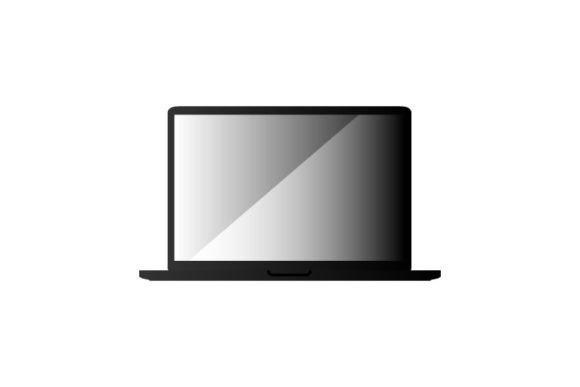
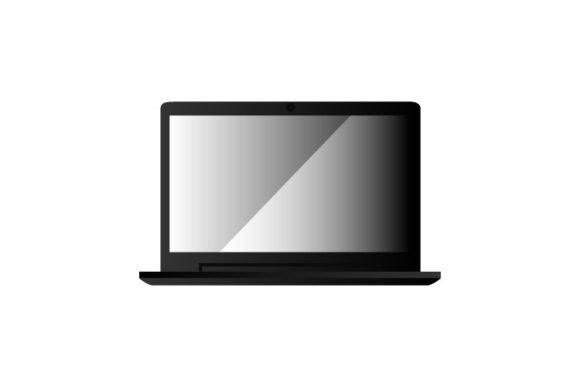
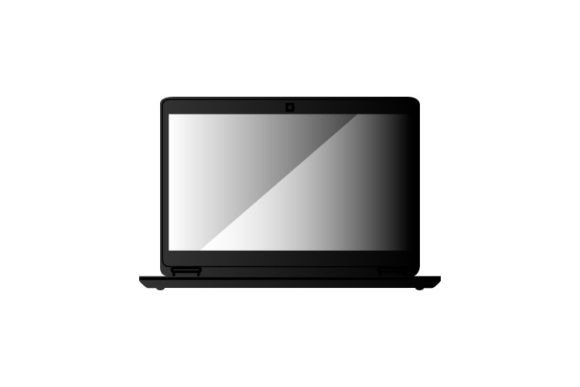
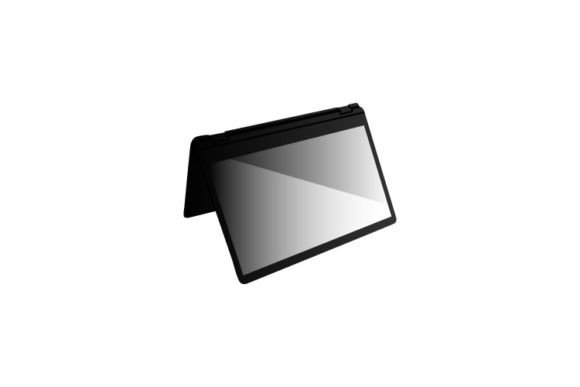
When you first open the Computer Screen Desktop Display Monitor file, the silhouette speaks for itself. It isn't cluttered with unnecessary noise; it captures the essence of modern technology with clean lines and a recognizable form factor. The mood it creates is sleek, professional, and slightly tech-forward. For an embroidery project, this is crucial because embroidery relies on shape and contrast rather than complex gradients.
The layout feels balanced, suggesting that the designer understood how thread density works. Unlike some vector graphics that translate poorly into stitches, this Graphics asset seems designed with the needle in mind. The negative space within the monitor stand and screen area offers a natural breathing room for the fabric texture to show through, which prevents the final piece from looking like a solid blob of thread. It immediately signals to me that this design fits best in contexts where clarity and recognition are paramount, such as corporate gifts or boutique branding.
Real-World Application: A Tote Bag Scenario
To truly evaluate the Computer Screen Desktop Display Monitor, I imagined a specific scenario: creating a custom embroidered tote bag for a local creative workshop. These bags are popular among Etsy sellers and craft fair vendors, but they present unique challenges. The canvas fabric is textured, and the bag hangs loosely, meaning the design needs to hold its shape without puckering.
If I were to stitch this design on a standard cotton canvas tote, the silhouette would likely pop beautifully. The broad, flat areas of the monitor screen could be filled with a tight satin stitch or a dense fill stitch to create a smooth, glossy look that mimics the actual LCD surface. The stand, being a thinner element, would require careful attention to stitch density to ensure it doesn't collapse under the weight of the thread. In this setting, the design elevates the product value. A customer walking up to a booth sees a high-quality, crisp logo of a computer screen, and they instantly associate the bag with creativity, digital art, or office utility. It transforms a simple accessory into a statement piece.
Performance Across Different Garments and Items
Beyond the tote bag, the versatility of the Computer Screen Desktop Display Monitor is worth noting. This design is not limited to one type of merchandise. For custom apparel, specifically sweatshirts and t-shirts, the silhouette provides a modern graphic that appeals to developers, designers, and tech enthusiasts. The clean edges allow for precise placement on the chest or back, ensuring the finished product looks intentional and polished.
I also see potential for embroidered patches. The distinct shape makes it an ideal candidate for a morale patch or a badge that can be ironed or sewn onto jackets and backpacks. The sharp corners of the monitor frame would define the patch boundary well, provided the backing material is sturdy enough to support the thread tension. For baby embroidery, the design might need scaling down, but the simplicity of the shape means it would remain recognizable even at a smaller size, making it perfect for onesies or nursery decor.
In the realm of home goods, this design shines on kitchen towels and pillow covers. Imagine a chef's apron featuring a subtle, monochromatic version of the monitor; it adds a touch of humor and personality to a utilitarian item. Similarly, for holiday embroidery, placing this design on a gift tag or a small ornament could appeal to the tech-savvy recipient in your circle. The design acts as a universal symbol, bridging the gap between traditional craftsmanship and modern interests.
Where to Exercise Caution
However, no single design is a magic bullet, and the Computer Screen Desktop Display Monitor has its limitations. I must advise caution when considering this design for small hoop sizes. If the original file contains intricate details in the bezel or stand, shrinking it too much for a hat brim or a baby bib will result in lost definition. The threads may merge, turning the screen into a dark smudge rather than a clear image.
Fabric choice is equally critical. While sturdy cotton blends work well, thin or stretchy fabrics pose a risk. Without proper stabilizer usage, the tension required for the satin stitch on the monitor edges could cause the fabric to warp or pucker significantly. Dark fabrics present another challenge; while a white or light-colored thread outline might work, achieving a high-contrast look on black fabric requires a bold underlay strategy to prevent the thread color from sinking into the weave. Additionally, for products that require frequent washing, such as work uniforms or children's clothing, the durability of the stitch density should be tested to ensure the design does not unravel over time.
Impact on Brand Consistency and Customer Trust
For small business owners and creative entrepreneurs, the visual appeal of the design directly impacts customer trust. A sloppy, pixelated, or misaligned embroidery job can make a brand look amateurish, regardless of the quality of the underlying product. The Computer Screen Desktop Display Monitor design, with its geometric precision, supports a narrative of professionalism and attention to detail.
When a customer receives a personalized gift or a boutique item featuring this design, they perceive the effort involved in the stitching. The clean lines suggest that the maker took care in digitizing and executing the machine embroidery design. This perception enhances the perceived value of the item, allowing sellers to command higher prices for their craft business offerings. Furthermore, the design serves as a strong visual anchor for digital embroidery files used in mockups, helping online shoppers visualize the final outcome before purchasing.
Practical Designer Notes for Implementation
Before committing to a full production run, I strongly recommend testing the Computer Screen Desktop Display Monitor on scrap fabric first. This step is non-negotiable for verifying thread color contrast and ensuring the hoop size accommodates the design without cutting off any elements. Review the stitch density closely; if the fill areas feel too stiff, consider adjusting the stitch angle or switching to a lighter stitch pattern.
Inspect the small details, particularly the corners of the monitor and the connection points of the stand. Ensure that the design works effectively in both black and white mockups to confirm legibility across different backgrounds. Compare how the design looks on light versus dark fabric to determine if a contrasting outline is necessary. Always use the proper stabilizer for your chosen fabric texture to maintain stability during the stitching process.
Finally, confirm whether the licensing terms allow for commercial use. Many design assets come with restrictions on selling finished items, so verify these details before listing your small shop product on platforms like Etsy. By following these practical steps, you can ensure that the Computer Screen Desktop Display Monitor becomes a reliable and valuable addition to your portfolio of embroidery projects.