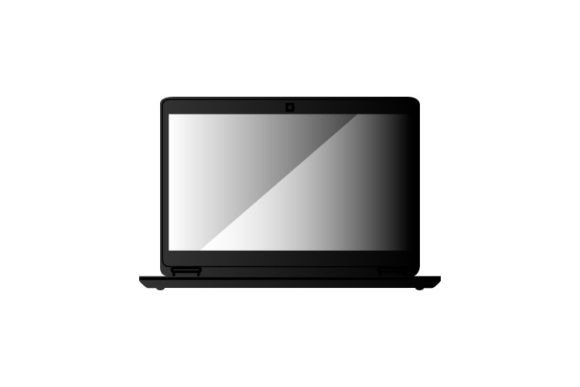
Gradient Laptop Screen Display Review
As a designer who spends half the day sketching and the other half troubleshooting stitch density on my machine, I don’t just buy digital files—I evaluate them as potential physical products. When Gradient Laptop Screen Display landed in my inbox, my first instinct was to look past the glossy preview image and ask: does this translate well from vector space to thread? The product is categorized under Illustrations and Graphics, but for us, it only matters if it functions as a viable machine embroidery design. After testing various configurations and imagining how it would sit on different garments, here is my honest take on whether this asset deserves a spot in your creative workflow.
The First Impression: Mood and Visual Personality
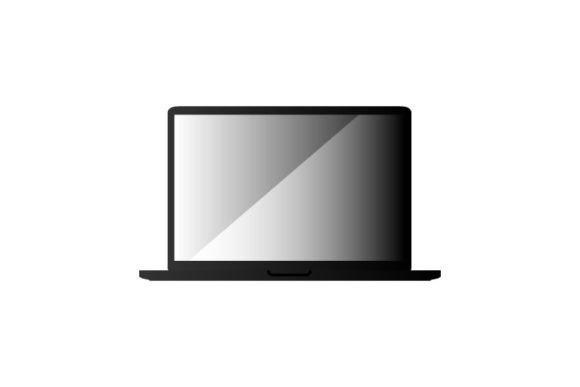
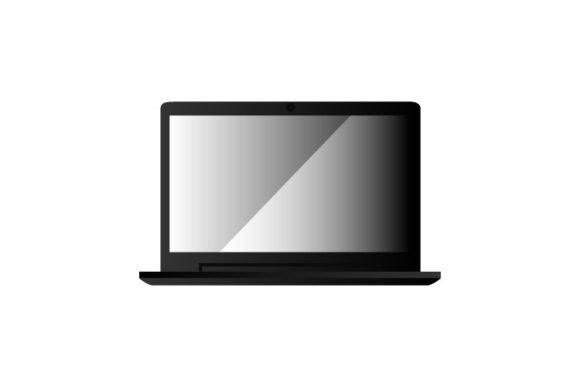
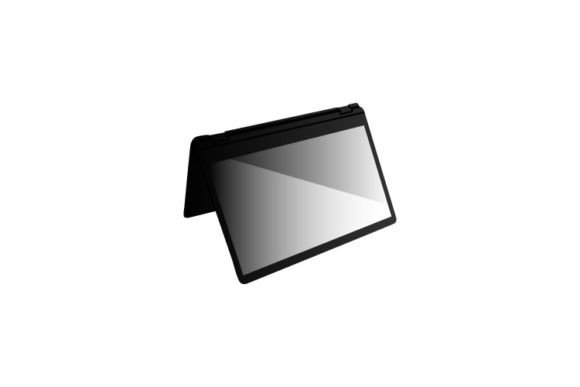
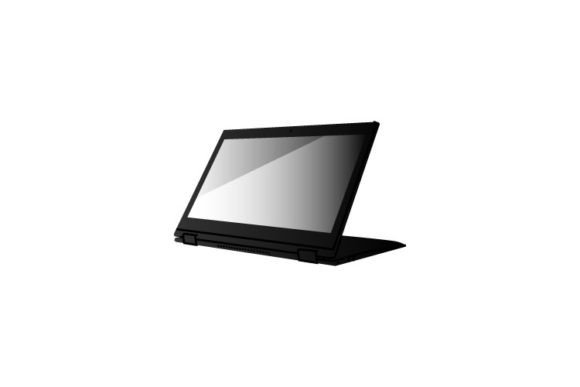
At first glance, Gradient Laptop Screen Display feels modern, clean, and distinctly tech-forward. It isn’t trying to be rustic or vintage; it embraces a sleek aesthetic that relies heavily on color transitions rather than heavy outlines. This is crucial because gradients are notoriously difficult to execute perfectly in embroidery. If the transition between colors is too subtle, the stitches can muddy together. However, this particular illustration seems to use distinct bands of color, which gives me confidence that it will hold its shape.
The layout is balanced, making it an excellent candidate for central chest placements or large back prints. It has a visual personality that says "professional," "creative," and "organized." For an Etsy seller targeting remote workers, developers, or students, this design hits the right emotional notes. It doesn’t scream for attention with loud patterns; instead, it offers a sophisticated backdrop that suggests productivity and style. It feels like a design that belongs on a high-quality cotton blend or a structured canvas tote, where the fabric’s texture complements the sharp lines of the screen graphic.
Real-World Application: Where Does It Shine?
I immediately pictured this design on a custom tote bag design for a tech conference or a university department gift. The rectangular nature of the laptop screen fits perfectly within standard hoop sizes, allowing for a generous border of negative space that prevents the stitching from feeling cramped. But let’s look at some more specific scenarios where this embroidery file could drive sales.
- Custom Apparel and Sweatshirts: Imagine a cozy oatmeal-colored sweatshirt embroidered with this design in muted blues and greys. It becomes a sweatshirt embroidery piece that is wearable yet distinctive. It works particularly well for personalized gifts for programmers or designers who want something less cliché than standard code snippets.
- Baby Embroidery and Nursery Decor: While it sounds counterintuitive to embroider a laptop on baby items, the trend toward "tech-savvy parents" is real. A soft onesie with a tiny, simplified version of this screen in pastel tones makes for a unique baby embroidery project. It also translates beautifully to nursery wall art, serving as a printable mockup ready for framing.
- Craft Business and Boutique Branding: For the craft business owner, this design adds a layer of professionalism to their own branding. An embroidered patch featuring this graphic on a denim jacket signals creativity. It is versatile enough to be a small shop product that appeals to a broad demographic, from hobbyists to professionals.
- Holiday Embroidery: During the holiday season, this design can serve as a neutral yet thoughtful gift. It avoids the seasonal clutter of Christmas motifs, making it a safe yet stylish choice for coworkers or friends who appreciate minimalism.
Technical Considerations and Potential Pitfalls
No design is perfect, and understanding the limitations of Gradient Laptop Screen Display is key to avoiding customer returns or disappointed clients. Here is where you need to exercise caution.
Fabric Texture and Stability: Because the design features smooth gradients, it performs best on stable, medium-weight fabrics. Avoid using this on highly textured fabrics like chunky knits or rough burlap, as the stitch definition will get lost. Similarly, thin or stretchy fabrics can cause the gradient areas to pucker if not stabilized correctly. Always use a proper stabilizer—cut-away for knits and tear-away for wovens—to ensure the final product looks crisp.
Small Hoop Sizes: Do not attempt to digitize or stitch this design in a very small hoop (under 4x4 inches). The details of the screen bezel and the internal gradient bars may become indistinguishable, resulting in a muddy blob. Stick to hoops that allow at least a 5x7 inch area to give the eye room to process the color shifts.
Thread Color Contrast: The success of any gradient depends on the thread palette. On dark fabric, you must use bright, saturated threads to make the gradient pop. On light fabric, you have more flexibility but risk the design blending into the background. Test your thread colors thoroughly. If you are unsure about the contrast, convert your mockup to black and white to see if the shapes still read clearly.
Practical Designer Notes for Execution
Before you upload this digital embroidery file to your machine, follow these steps to guarantee a professional finish.
- Test on Scrap Fabric: Never run a full production run without a test stitch-out. Check how the fill stitch handles the gradient transitions. Are there gaps? Is the tension consistent?
- Review Stitch Density: High-density fills can create stiff, uncomfortable patches. Ensure the design uses appropriate stitch density so the finished product remains soft and drapey, especially if it’s going on a custom apparel item like a t-shirt.
- Inspect Small Details: Look closely at the corners of the screen display. Are they rounded or sharp? Will they require precise satin stitch work to look clean? If the details are too fine for your machine’s resolution, consider simplifying the design slightly.
- Confirm Licensing: As a commercial embroidery professional, you must verify the license terms. Does the purchase allow you to sell finished items? Can you use it in unlimited quantities? Clear up these questions before listing your handmade product on Etsy or your website.
- Compare Backgrounds: Test the design on both white and black fabric swatches. A gradient that looks stunning on white might disappear on black unless you use metallic or neon threads. This step saves time and material costs.
Final Verdict: Value and Professional Appeal
Does Gradient Laptop Screen Display add value to your portfolio? Absolutely. It bridges the gap between digital art and tactile craft in a way that feels contemporary and relevant. It is not just another clipart image; it is a design asset that can elevate a simple tote bag into a statement piece or turn a plain hoodie into a conversation starter.
For the designer looking to expand their offerings beyond traditional floral or quote-based designs, this introduces a fresh geometric element. It appeals to the growing market of tech enthusiasts and creatives who want merchandise that reflects their identity without being overly literal. The inclusion of multiple file formats (Ai, Eps, Png, Jpg, Svg) means you can adapt this graphics asset for print-on-demand services as well, maximizing its utility.
In conclusion, this design is a strong addition for anyone serious about embroidery project diversity. It requires careful execution regarding fabric choice and thread selection, but the payoff in terms of customer appeal and brand consistency is significant. If you are ready to move beyond basic shapes and offer something that feels polished and modern, this is a smart investment for your studio.