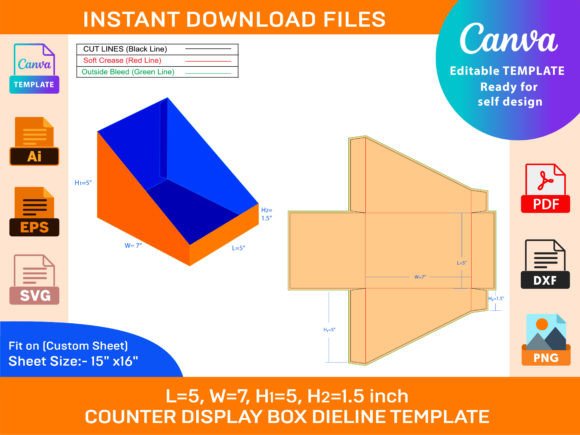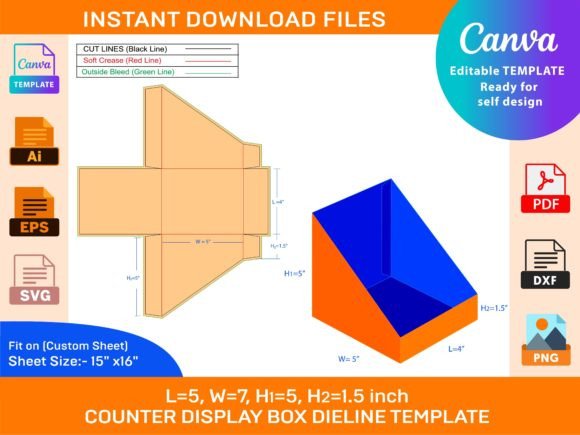
Small Paper, Card Counter Display Box: Graphics for Print Templates
When I first opened the folder for Small Paper, Card Counter Display Box, my immediate thought was not about the file itself, but about the customer who would need it. As a digital product creator who has spent years building shops on Etsy and Creative Fabrica, I know that the difference between a listing that sits in the shadows and one that sells is often the quality of the underlying assets. This graphic design asset feels like a solid foundation for a specific niche: small businesses selling handmade goods, subscription boxes, or boutique jewelry.
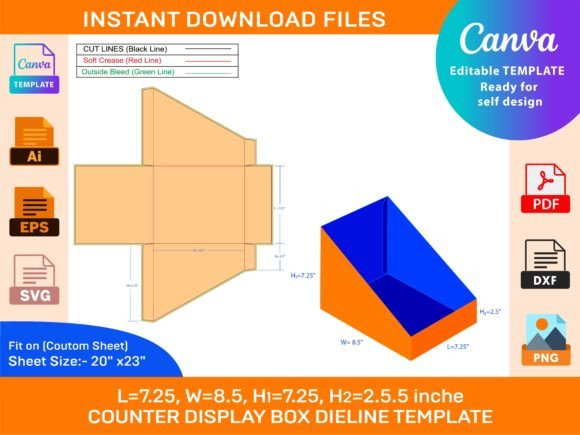
The mood of this template is clean, functional, and ready to be branded. It does not scream for attention with loud colors or complex illustrations; instead, it offers a blank canvas that whispers professionalism. For sellers preparing a new collection, this is exactly the kind of neutral yet structured element that helps elevate a brand identity without overwhelming the product inside. If you are looking a product box packaging, it will be glad to be part of the project. It is blank template perfect for creating your own personalized box packaging. The following packaging dieline te provides the structural integrity needed for high-quality mockups.
Real-World Testing: From File to Marketplace Listing
Let's imagine a scenario where I am launching a seasonal bundle for my shop. I have a line of hand-poured candles and artisanal soaps. To make these items look premium, I cannot just slap a logo on a plain brown box. I need a structure that looks custom. This is where Small Paper, Card Counter Display Box becomes a critical component of my workflow.
I started by importing the file into my design software to test its versatility. My goal was to create a cohesive visual story for my upcoming holiday sale. The first step was to overlay my brand colors onto the die-cut lines. Because the template is designed as a blank base, it allowed me to apply a full bleed background without worrying about awkward white borders cutting through the design. This level of control is essential when creating print-on-demand products or digital downloads that require precise alignment.
After designing the exterior, I moved on to the internal mockup phase. I placed the finished design over a 3D rendering of a small cardboard box to see how it looked in a realistic setting. The result was striking. The visual hierarchy was clear, and the text remained legible even at smaller sizes. This asset proved invaluable for creating listing images that could compete with major brands. When a potential buyer scrolls through their feed, they notice the consistency. A professional-looking package suggests a professional business, which increases perceived value and trust.
Versatility Across Product Categories
One of the most compelling aspects of this graphic design asset is its adaptability. While the primary function is packaging, the creative possibilities extend far beyond a simple box. I tested several applications to see how it fits into different product lines:
- Etsy Product Mockups: By using the Small Paper, Card Counter Display Box as a prop in photos, I can showcase physical merchandise like stickers, magnets, or greeting cards in a way that looks curated and intentional.
- Sublimation Designs: For those creating tumblers or tote bags, the geometric structure of this box serves as an excellent reference for layout and spacing. You can use the dimensions to ensure your sublimation designs wrap correctly around cylindrical or flat surfaces.
- Canva Templates: Many of my customers request templates they can edit themselves. I created a version of this box within Canva, allowing users to swap out colors and add their own logos. This turned a single asset into a high-value commercial design tool.
- Social Media Graphics: The clean lines work beautifully for promotional posts. I used the box shape as a frame for "New Arrival" announcements, adding a layer of depth that flat images lack.
- Printable Wall Art: Surprisingly, the structural elements can be deconstructed to create modern, architectural prints for home offices or nurseries. It adds a touch of industrial chic to a room.
This flexibility means that buying this digital product is not just purchasing a single image; it is acquiring a toolkit for multiple revenue streams. Whether you are a Cricut user looking for cut files or a blogger needing visuals for a post about sustainable packaging, this asset bridges the gap between concept and execution.
Strategic Placement and Visual Storytelling
In the world of online selling, every pixel counts. The Small Paper, Card Counter Display Box excels when used as a centerpiece for larger collections. Imagine a "Starter Kit" bundle for crafters. Instead of just listing the contents, you can display them all nestled inside this box. It creates a sense of completeness and care that customers love to see.
For brand identity, consistency is key. Using this template across your social media graphics, email headers, and website banners creates a unified look. It tells the story of a business that pays attention to detail. When a customer sees the same clean, structured design on your Instagram and your Etsy shop, it reinforces the message that you are reliable and trustworthy.
However, not every application is a fit. There are scenarios where this asset requires careful handling. For instance, if you are designing tiny sticker details or intricate patterns for a sticker design set, the complexity of the box structure might distract from the main focal point. Similarly, if your thumbnail needs to convey a chaotic, maximalist vibe, this minimalist template might feel too rigid.
Another consideration is resolution. While the vector paths are likely crisp, always verify the PNG transparency and check the print resolution before sending files to a printer. Low-resolution print products can ruin a brand's reputation instantly. Ensure that the file scales up to large formats without pixelating, especially if you plan to use it for large format posters or banner ads.
Practical Seller Notes for Success
Before publishing any listing featuring Small Paper, Card Counter Display Box, I recommend running a few quick tests. First, preview the design as a marketplace thumbnail. Does it stand out against the white background? Is the contrast strong enough? Sometimes, a design that looks great on a monitor appears washed out in a small square icon.
Second, test the file on both white and dark backgrounds. This ensures that your color choices remain vibrant regardless of the context. Third, if you are offering this as a SVG design for cutting machines, inspect the cut quality. Are the lines closed? Is there unnecessary noise in the vector data? These technical details matter to DIY enthusiasts who rely on their Cricut or Silhouette machines.
Organize your files clearly for your customers. If you are selling a design bundle, include instructions on how to open the files, what software works best, and tips for printing. Pairing the box template with complementary fonts can also enhance the final product. Try pairing it with a bold sans-serif font for a modern look, or a script font for a more elegant, feminine touch. Experiment with serif and handwritten styles to find the perfect match for your niche.
Finally, confirm the commercial license. Understanding the terms of use is crucial for protecting your business. Ensure that you are allowed to resell the modified design or use it in end-products for sale. With the right permissions and a bit of creativity, this asset can become a cornerstone of your creative marketplace presence.
In conclusion, Small Paper, Card Counter Display Box is more than just a template; it is a strategic tool for elevating your digital product offerings. It supports a wide range of uses, from packaging design to visual storytelling, making it a valuable addition to any designer's library. By testing it thoroughly and applying it with intention, you can create a professional, cohesive collection that resonates with buyers and drives sales.